What Are The Best Socialization Opportunities for Active Seniors in Independent Living?
The best social opportunities are the ones that help you stay mentally engaged, physically active, emotionally connected, and genuinely excited about your daily life again. That can include fitness classes, hobby clubs, group outings, volunteer opportunities, shared dining experiences, game nights, community events, walking groups, and casual everyday conversations that naturally happen throughout the community.
Retirement can either open the door to stronger friendships and more freedom, or it can slowly drift into isolation if you stop staying socially active. That’s where independent living communities become so important, creating an environment where connection happens naturally instead of feeling forced or awkward.
For many seniors, that social energy becomes one of the biggest reasons they start enjoying life more again.
Why Does Socialization Matter So Much for Seniors?
Socialization matters because it helps you feel emotionally connected, mentally engaged, physically active, and more involved in daily life.
People are not built to live disconnected from everyone around them.
And honestly, isolation can hit seniors hard.
When social interaction starts shrinking, many older adults experience increased loneliness, lower motivation, emotional burnout, and even physical health changes. Days can start blending together fast. Routines become repetitive. Energy drops. Conversations disappear.
That slow emotional shift can be difficult.
Socialization helps fight back against that.
Strong social engagement can support:
- Emotional well-being
- Cognitive stimulation
- Physical activity
- Confidence
- Motivation
- Stress reduction
- Sense of purpose
- Overall happiness
And even casual interactions matter.
A quick conversation at breakfast. Laughing during a game night. Walking with neighbors. Those moments create structure and emotional connection that you may quietly miss after retirement.
What Are Group Activities That Can Bring Seniors Together?
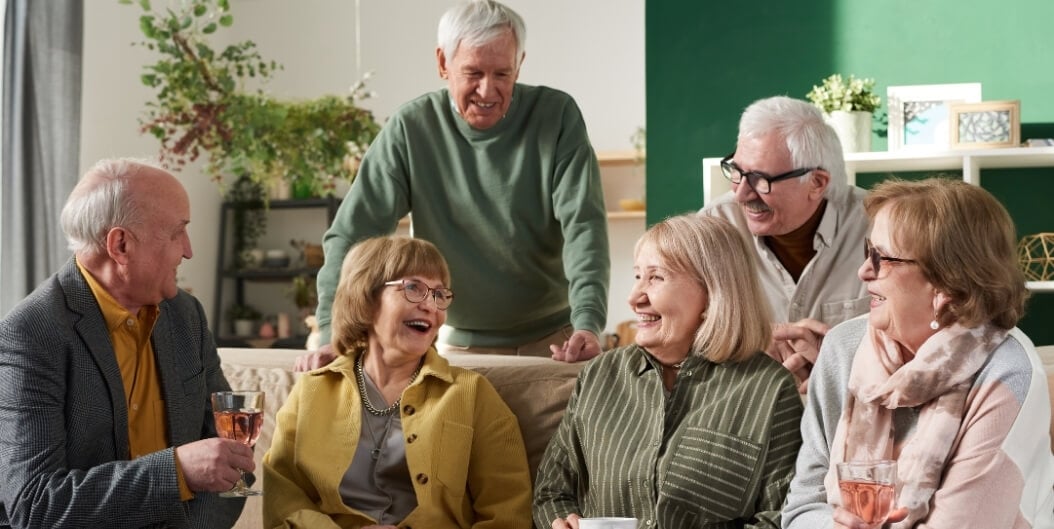
Group activities can bring seniors together by giving them shared experiences that make conversation, laughter, and friendship feel more natural.
One of the biggest advantages of independent living is having consistent access to shared activities without needing to organize everything alone.
That can make daily life feel much easier.
Instead of sitting at home trying to figure out what to do all day, seniors have opportunities right outside their doors.
Popular social activities often include:
- Exercise classes
- Walking clubs
- Arts and crafts
- Card games
- Movie nights
- Music events
- Religious services
- Book clubs
- Gardening groups
- Cooking activities
- Holiday celebrations
And that variety matters.
Not every senior wants loud social environments or nonstop activities. Some people prefer quieter hobbies and smaller group settings. Independent living communities usually offer multiple ways for residents to connect comfortably at their own pace.
That softer flexibility helps people feel less pressured socially.
How Does Shared Dining Create Natural Connection?
Shared dining creates natural connection by giving residents relaxed, repeated opportunities to talk, laugh, and build familiarity over everyday meals.
This one gets overlooked constantly.
Shared dining spaces create some of the easiest and most natural opportunities for seniors to socialize without forcing structured interaction.
People connect over food. They always have.
And meal times often become the emotional heartbeat of a community.
Residents sit together, talk about their day, share stories, joke around, discuss local events, and slowly build friendships over time. Those repeated daily interactions help create familiarity and comfort naturally.
That consistency is crucial.
For seniors living alone at home, meals can sometimes become isolated and emotionally flat. Some people even lose motivation to cook properly because eating alone starts feeling depressing.
Community dining helps break that cycle.
And yes, sometimes conversations get loud, funny, chaotic, and wonderfully messy. That social energy can make everyday life feel alive again.
How Do Fitness and Wellness Programs Build Social Confidence?
Fitness and wellness programs can build social confidence by helping residents move, encourage one another, and connect through shared routines.
Physical activity becomes way easier when people are surrounded by encouragement instead of isolation.
That’s one reason group fitness programs work so well in independent living communities.
Walking clubs, stretching classes, chair yoga, water aerobics, and wellness programs help seniors stay active while also building friendships at the same time.
Exercising alone can feel harder to stick with. Doing it with neighbors feels different.
There’s accountability. Motivation. Conversation. Encouragement.
That social layer often helps residents stick with healthy routines longer because activities stop feeling like chores and start feeling enjoyable.
Some seniors even rediscover the confidence they thought they lost years ago.
That emotional shift can feel powerful.
How Do Community Events Keep Life Interesting?
Community events keep life interesting by giving residents enjoyable moments to anticipate, participate in, and remember together.
This is where independent living communities really separate themselves from isolated retirement at home.
There’s usually something happening.
Holiday parties. Live music. Themed dinners. Social mixers. Resident celebrations. Group outings. Local entertainment. Seasonal activities.
And honestly, having events to look forward to changes the emotional rhythm of daily life.
It creates anticipation.
That matters because boredom can slowly affect emotional well-being over time. When every day feels identical, motivation starts slipping hard.
Community events help inject fresh energy into the week.
Even residents who consider themselves introverted often end up participating once they feel comfortable around familiar faces.
And sometimes those small events spark surprisingly strong friendships.
Why Do Local Outings and Social Adventures Matter?
Local outings and social adventures matter because they break routine, create shared memories, and make it easier for seniors to stay engaged with the world around them.
Getting out into the local community still matters after retirement.
A lot.
Independent living communities often organize outings to restaurants, local attractions, shopping areas, parks, museums, community events, and entertainment venues.
And that convenience removes a massive headache for seniors.
Transportation stress alone stops many older adults from going places regularly. Parking, traffic, mobility concerns, and planning can start feeling exhausting fast.
Group outings simplify the process.
Residents can enjoy experiences together without carrying all the logistical stress themselves.
Plus, shared outings create conversation afterward. People reconnect later and talk about the experience again, which keeps the social momentum going.
That continued connection matters.
Why Do Casual Everyday Interactions Matter Too?
Casual everyday interactions matter because small moments of conversation can help residents feel seen, familiar, and connected throughout the day.
Not every meaningful social moment needs to be planned.
Sometimes the best interactions happen randomly.
Passing someone in the hallway. Sitting outside together. Talking in the lounge. Running into neighbors after breakfast.
Those everyday moments help residents feel emotionally grounded and connected to the people around them.
And that’s one of the biggest emotional differences between isolated living and community living.
There’s life happening around you.
That background social energy can feel comforting instead of lonely.
Especially for seniors who spent years living in quiet homes where entire days passed without meaningful conversation.
How Can Seniors Stay Open to New Friendships?
Seniors can stay open to new friendships by starting small, joining activities gradually, and giving connection time to develop naturally.
This part matters more than people think.
Some seniors enter independent living feeling hesitant about socializing. That’s normal. Starting over socially can feel intimidating at first.
And nobody wants to feel like the awkward new person.
But here’s the thing. Most residents are feeling the exact same way in the beginning.
The best approach is usually simple:
- Start small
- Attend one activity at a time
- Sit with different people occasionally
- Stay curious
- Give friendships time to develop naturally
Strong friendships rarely happen overnight.
But consistent interaction builds familiarity. Familiarity builds comfort. Comfort builds connection.
That process happens quietly over time.
Come Enjoy an Active and Social Lifestyle at Asher Point Independent Living of Bartlesville
At Asher Point Independent Living of Bartlesville, you can enjoy a welcoming community filled with opportunities for connection, engagement, and meaningful daily experiences. From shared dining and social events to group activities, wellness programs, and comfortable community spaces, you will have many ways to stay active and socially connected.
Whether enjoying community celebrations, participating in hobby groups, relaxing in shared spaces, or attending local outings, residents can experience retirement with more freedom, comfort, and companionship.
Schedule a tour of Asher Point Independent Living of Bartlesville to learn how community living can help you stay connected, active, and engaged while enjoying your retirement years.