
What Are Everyday Dining Options in An Independent Retirement Living Community
When people think about independent retirement living, they often focus on the apartment, the activities, or the social life. Dining, though, is just as important. Meals shape the rhythm of your day. They influence how you feel, how you connect with others, and how much energy you have to enjoy everything else.
In an independent retirement living community, everyday dining is not about restriction or routine cafeteria trays. It is about choice, comfort, and flexibility. You can enjoy freshly prepared meals, set your own schedule, and decide whether you want a lively table with friends or a quiet meal at your own pace.
In independent retirement living, dining is part of daily life in a way that feels natural. Let’s look at what everyday dining options typically include and how they support both independence and enjoyment.
A Restaurant-Style Dining Experience
One of the greatest differences between living at home and living in an independent retirement community is the convenience of restaurant-style dining right where you live.
Instead of meal planning, grocery shopping, and cooking each day, residents receive access to professionally prepared dining options in a warm dining room set-up. Meals are carefully planned and made fresh, meaning residents will find the variety they might expect at a favorite local restaurant.
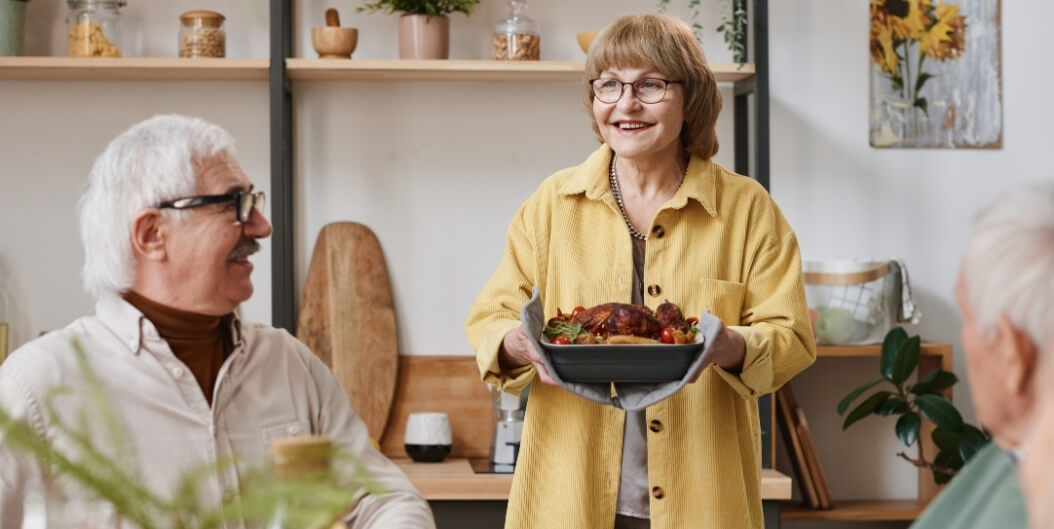
This kind of dining does not feel clinical or rushed. For many of the residents, meal times are a highlight of their day as it’s an opportunity to also see friends, catch up on conversations, and have a hearty meal without having to do any cooking or cleaning themselves.
For those who prefer a more flexible approach, dining often leave room for choice. You can sit with different groups, have a quieter table (if you want), or just take your time. It’s an experience centered on comfort and dignity, not obligation.
Breakfast, Lunch, and Dinner with Variety
Everyday dining in an independent retirement living community usually includes three daily meals. Residents can look forward to a rotating selection of breakfast, lunch, and dinner options that reflect both comfort favorites and balanced choices.
Now depending on the preference of each individual, a classic breakfast including pancakes, eggs and fresh fruit could be served or light fare for those who are more into simple morning bites. Lunch could include soups, salads, sandwiches or hot entrees. Dinner often brings heartier meals that feel satisfying and thoughtfully prepared.
The key is variety. Residents are not committed to the same menu. Meals are rotated and everyone is made to switch their plates daily so that dining does not become monotonous. The familiar dishes are mixed with those adding new seasoning to the familiar in a way that keeps you off guard.
A reliable meal service also provides structure. When breakfast, lunch, and dinner are provided, residents can concentrate on the rest of their day. It takes the guesswork out of cooking (or which ingredients you’re running low on). That peace of mind alone can make the days feel lighter.
Flexible Dining Choices and Personal Preferences
Independent living is built on personal choice, and dining reflects that.
Residents usually have the choice of eating in the main dining room or, depending on how a community is set up, eating in alternative spaces. Private dining for special events, family parties or celebrations may be available in some communities. This flexibility allows users to circle birthdays, holidays or personal milestones without ever stepping outside the building.
Dietary preferences are also respected.
It’s not about setting a plan. It is a way of accommodating personal preferences and tastes in the community setting. But such consistency comes without surrendering resident autonomy.
Dining as a Social Experience
Meals are about more than filling our bellies. They build community.
The dining room is a common focal point in independent retirement living. It is where neighbors are friends. It’s where a casual conversation evolves into something more permanent. Even for more private residents, sharing a meal can present a relaxed opportunity to interact without pressure.
The social experience is part of everyday life in independent retirement living, and food is an important way to support that. The dining room inspires interaction whether residents prefer to sit with the same group each day or switch things up.
This is great for people who may have felt isolated while living alone. Rather than dining in silence, residents can share laughter, stories and the simple warmth of human companionship. That degree of connection can be a powerful improver of emotional health.
Special Occasions and Celebrations
Everyday dining covers daily meals, but communities also recognize the importance of special occasions.
Independent retirement living communities often host themed meals, holiday gatherings, or celebratory events. These moments break up the routine and add energy to the calendar. Residents can enjoy festive menus and shared experiences without having to organize the details themselves.
In some Independent Living, catering for special occasions is part of the lifestyle. Whether it is a birthday celebration or an anniversary, residents can gather with friends and family in a way that feels supported and relaxed.
This matters because traditions do not stop simply because someone moves. Dining becomes one way to preserve family rituals and create new memories in a setting that feels comfortable and welcoming.
Reduced Stress Around Meal Planning
Cooking at home often involves more than just preparing food. It includes grocery shopping, lifting heavy bags, standing for extended periods, and cleaning up afterward. Over time, those tasks can feel physically and mentally draining.
Independent retirement living simplifies that routine.
With everyday dining options available, residents are free from the responsibility of daily meal preparation. This does not mean giving up independence. It means choosing where to spend your energy.
Instead of focusing on meal logistics, residents can focus on hobbies, friendships, fitness classes, or quiet relaxation. The mental load decreases. The day feels more open.
For many people, that shift alone improves overall quality of life.
Balancing Independence and Convenience
A common misconception is that moving into an independent retirement living community means giving up control over daily routines. In reality, dining options are structured to preserve independence while offering convenience.
Residents are not required to attend every meal in the same way or follow a strict dining schedule beyond the standard meal times. They can decide how they want their day to flow. Some may enjoy lingering over breakfast. Others may prefer a quick meal and then move on to activities.
Studio or apartment-style living also allows residents to maintain personal snacks or light items if they choose. The combination of private space and community dining creates a balanced approach.
In independent living, dining supports the life residents are already living. It does not dictate it.
Ready to Explore Everyday Dining Options in a Luxurious Retirement Living Community? Schedule a Visit of Asher Point Independent Living of Bartlesville
At Asher Point Independent Living of Bartlesville, culinary experiences are woven into resident life. From freshly prepared meals to welcoming dining spaces, everyday options are designed to feel warm, consistent, and flexible.
Residents enjoy a community where breakfast, lunch, and dinner are thoughtfully planned, yet personal preferences are respected. The dining room becomes a place not only for nourishment but also for conversation and connection.
Here, dining is designed to complement daily life, not complicate it. If you are exploring independent retirement living, consider how everyday meals shape your routine and your sense of enjoyment.
Schedule a tour of Asher Point and experience how thoughtful dining options can support a lifestyle that feels balanced, social, and comfortably independent.